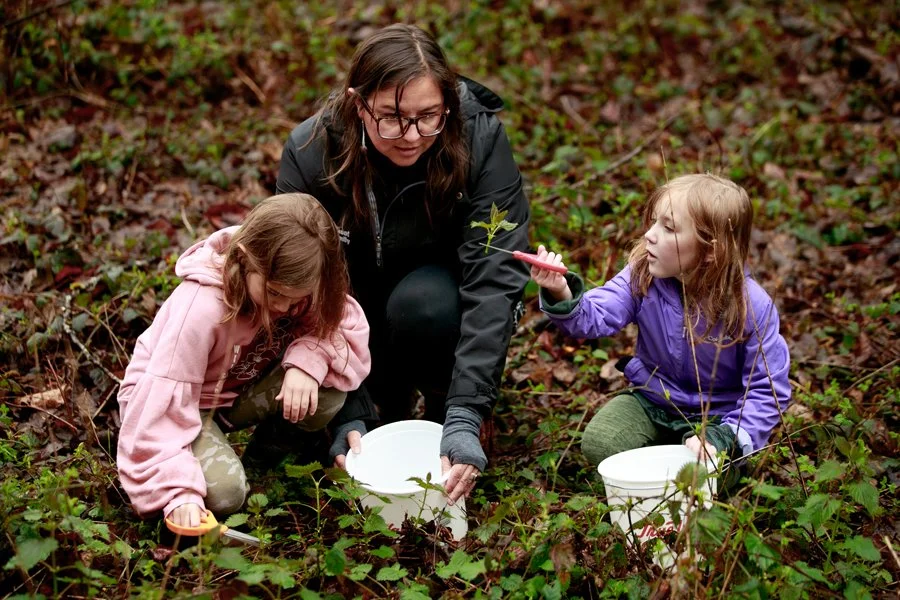
Valerie Segrest
is an Indigenous food systems practitioner, nutrition educator, and writer whose work is rooted in Indigenous knowledge, food sovereignty, and place-based approaches to health.
She is a member of the Muckleshoot Tribe, and her life’s work is deeply informed by the lands, waters, and foodways of the Salish Sea region.
Segrest’s work emerges from long-standing relationships with community, elders, educators, and land. Rather than treating food as an isolated intervention, she approaches nourishment as a living system — shaped by ecology, culture, history, and responsibility. Her practice is guided by an ethic of care: doing work thoroughly, thoughtfully, and in ways that honor the time it takes to build trust and get things right.
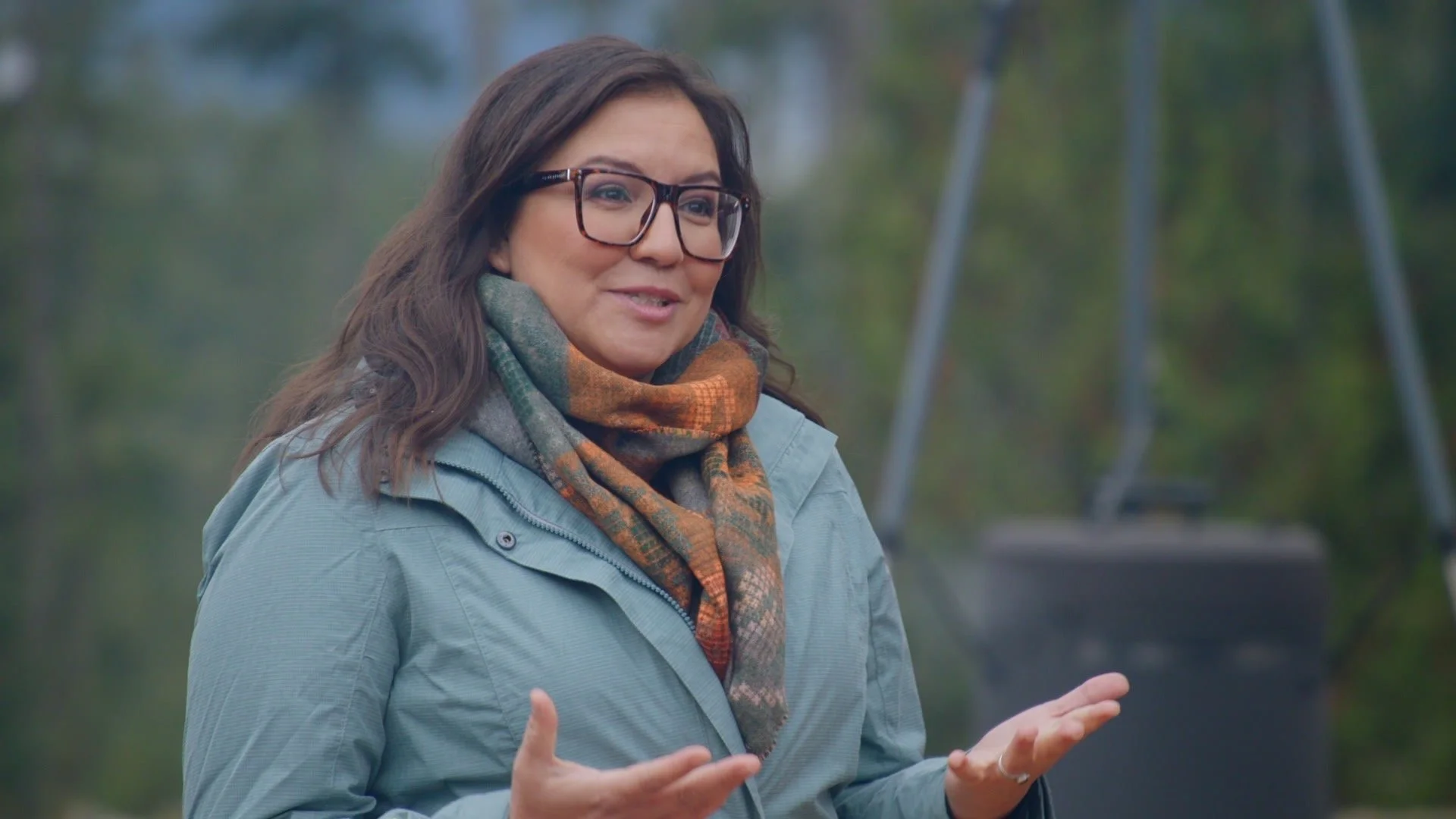
Over the past decade, Segrest has worked across tribal, nonprofit, academic, and public-sector spaces to support Indigenous food systems revitalization, culturally grounded nutrition education, and community-based research. Her contributions have included curriculum development, training design, program implementation, and strategic advising for organizations seeking to engage Indigenous communities with greater care, accountability, and respect.
She is closely associated with the development of Indigenous food sovereignty initiatives in the Salish Sea region, including community food projects, educational programs, and institutional partnerships focused on traditional plants, foods, and medicines. This work has required patience, consistency, and a willingness to move at the speed of trust, centering long-term relationships over short-term outcomes.
Segrest’s writing explores Indigenous foodways, health, land stewardship, and cultural continuity. Her essays and commentary have been published in outlets including YES! Magazine, and her work has been featured in The New York Times, The Seattle Times, Food Network Magazine, and Women’s Day, among others. Her public-facing work often serves as an entry point for broader conversations about Indigenous knowledge systems and their relevance to contemporary food and health challenges.
She holds academic training in nutrition and community-based environmental studies, and her work is shaped by both Western science and Indigenous ways of knowing. Today, Segrest continues to write, teach, and collaborate on projects that support Indigenous communities in defining their own pathways to health, nourishment, and belonging — with care, rigor, and respect for process.
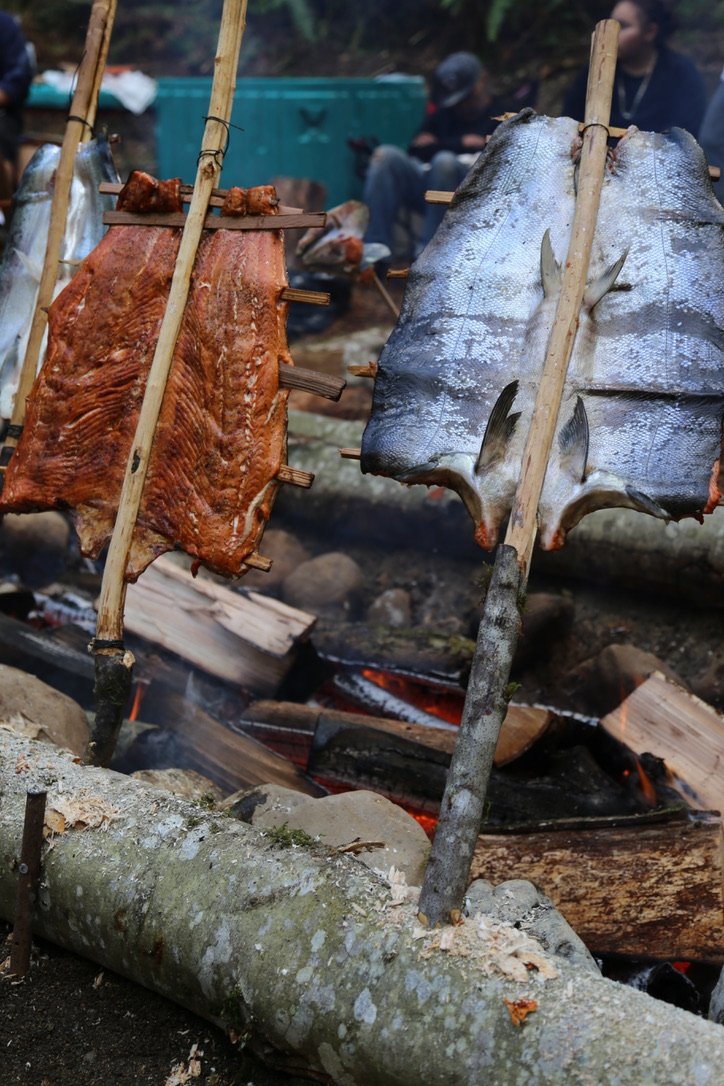
FEATURED WORK
Click logos to view featured work.






Interested in upcoming projects and annoucements?